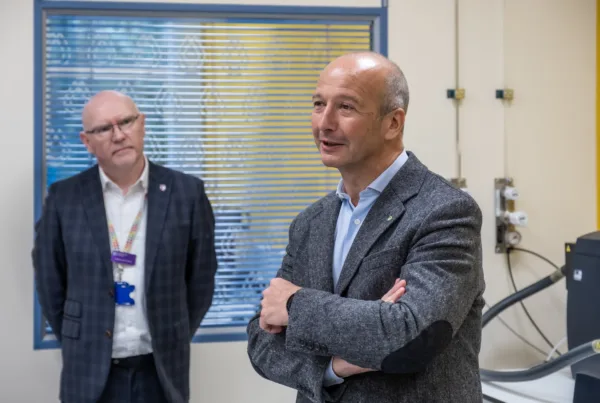
This week we released our second Life Cycle Assessment or LCA; an analysis of the environmental impact of our technology. But why is this important? And what is an LCA? Nadia Chang, our Sustainability Manager explains.
In January 2025, we released our second Life Cycle Assessment, also called an LCA. This is an analysis of the environmental performance of a process or product across the stages of its whole life cycle – beginning with the extraction of raw materials, through processing, transportation, use, and disposal.
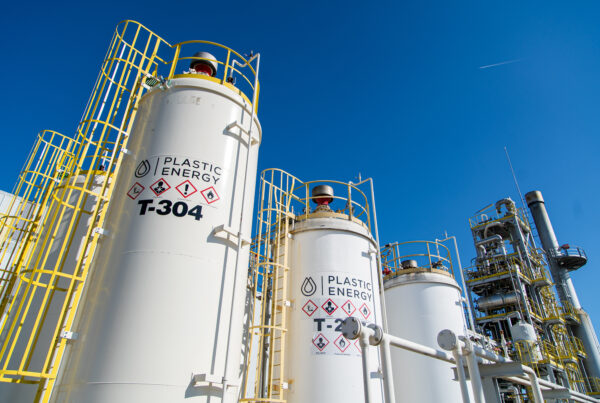
In our case, we wanted to know the impact of our TAC™ recycling process and resulting TACOIL™ feedstock. This is important for helping us to understand the environmental benefits of chemical recycling, and pinpoint areas of the process we can improve.
We commissioned independent consultancy Sphera to complete this work, then an independent panel of industry experts to critically review the report.
We used data from the design of our plants, which is informed by our operational experience from our commercial plants in Spain (operating since 2016 and 2017). Click here to read the full Executive Summary, plus key results and methodology used to calculate these findings.
As many longer-term followers of ours will know, we previously published an LCA in 2020. This was conducted by independent consultancy Quantis and also reviewed by a panel of experts.
Since this first report, our TAC™ recycling process has developed significantly, alongside this the methodology for conducting LCAs. These combined factors led to a new LCA being commissioned. As the data and methodologies are different, we have replaced the 2020 LCA with the 2025 report.
We remain committed to regularly assessing and sharing the results of future LCAs and all other major sustainability developments. This is part of our broader commitment to improve our environmental performance and support a circular economy for plastics.
Our work also sits with the context of larger value-chain changes which also contribute to improved environmental performance. This combination of industry electrification, to more ambitious policy targets and legislation, to plastic packaging designed for recyclability – means a sustainable decarbonised plastics value chain is closer than we think.
To read our full Executive Summary, click here, and to read the press release for the announcement of the 2025 LCA, click here.